Your web browser is out of date. Update your browser for more security, speed and the best experience on this site.

Update your browser

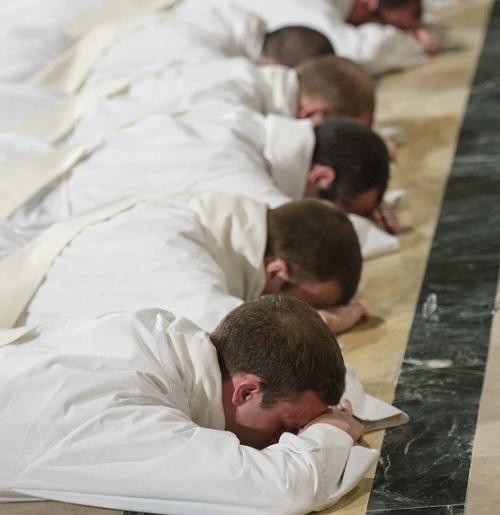
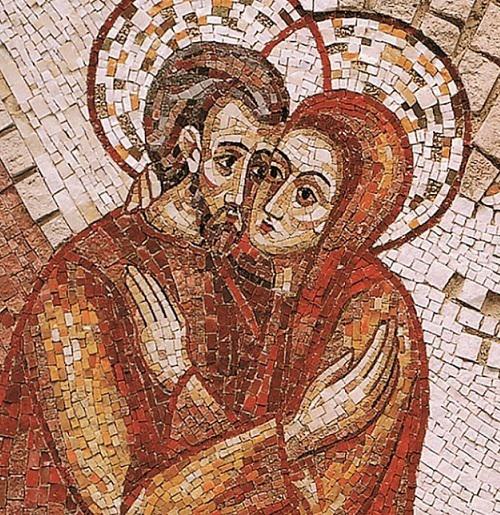
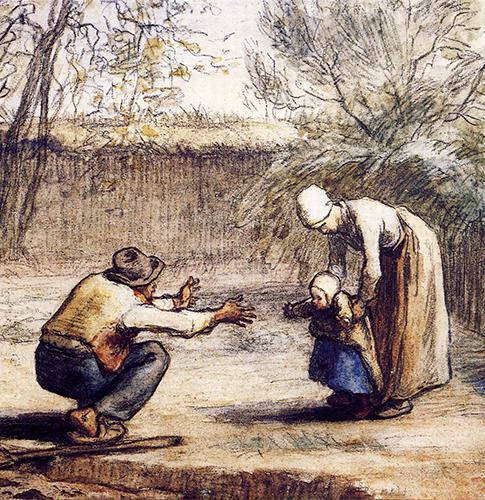
The Fatherhood of God, the Fatherhood of the Priest

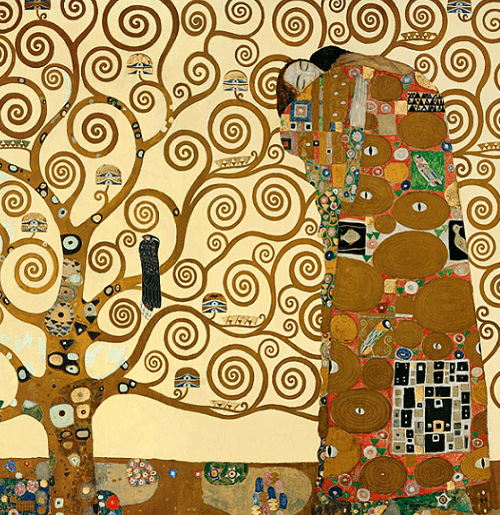
Bishop Massimo Camisasca

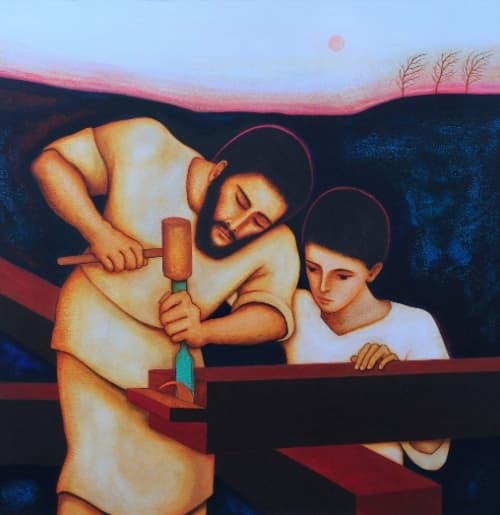
The drama of human existence is relationship with the father. This has clearly been the case in every period of history, but it is especially so today. The desire for privacy, for escape into one’s past, the withdrawal into oneself, or into one’s family home, and the disinterest in the polis that characterize many people’s lives today derive from, among other things, a field experience of the father. When God first thought of the Church, that is, of a guided company, he thought of man’s constitutive need for a father and a mother. He wanted us always to have fathers and mothers to accompany us.

Continue Reading
Lipstick crop

Children of the State: Youth Sexual Rights and the Illusion of Parental Rights

Theresa Farnan

Read Full Article
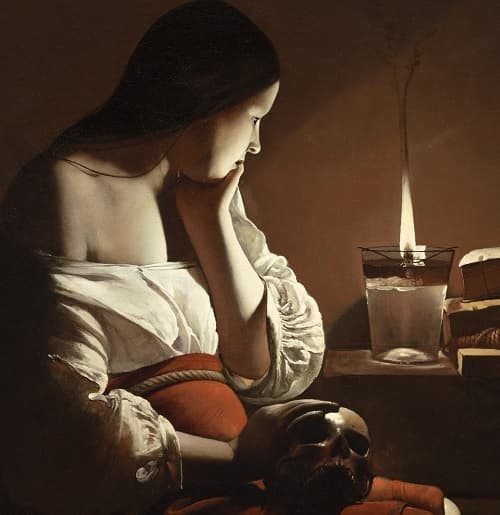
"A Girl Reading a Candle by Candlelight," Joseph  Wright

"Gentlemen Don’t Read Each Other’s Mail"*: Notes on Surveillance

Karl MacMillan

Read Full Article
Current Issue

Power: Issue Three

"He Gave Them Power and Authority"

What authority does the pope have and why should we obey? How is the papacy, which is still a stumbling block for so many, a source of reassurance for us, the faithful? Or is it? What of the bishop’s authority? The priest’s? A living thing needs to grow and authority is at the service of that. It makes the Church—–Christ’s body—grow (augere) in accord with the order established by the one who brought it forth (the Auctor). It is in the image of the Father's authority who shows it by generating the Son, then by creating the world in Him. Christ who received all authority from the Father handed it to the disciples. To have the “keys” to the Church, then, is to assure and guard the presence of the One who builds and grows it—“the Son of the Living God”—so that He might be with us always, till the end of time.
View Issue

Past Issues

Humanum is about the human: what makes us human, what keeps us human, and what does not. We are driven by the central questions of human existence: nature, freedom, sexual difference and the fundamental figures to which it gives rise, man, woman, and child. We probe these in the context of marriage, family, education, work, medicine and bioethics, science and technology, political and ecclesial life. We sift through the many competing ideas of our age so that we might “hold fast to what is good” and let go of what is not. In addition to articles, witness pieces, and book reviews ArteFact: Film & Fiction searches out the human in the literary and cinematic arts.

Humanum is published as a free service by the Pontifical John Paul II Institute for Studies on Marriage and Family in Washington, D.C.